
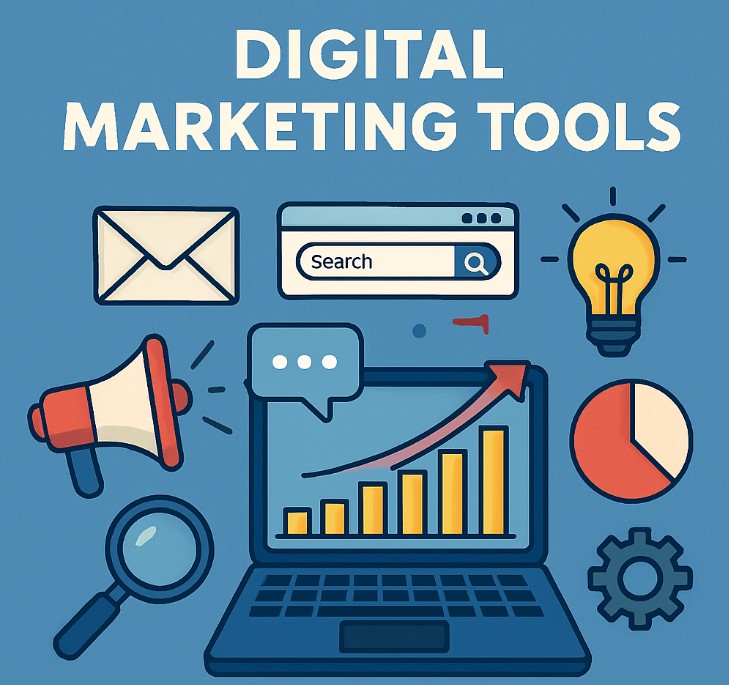
Print vs Digital Marketing Why Smart Businesses Use Both
In today’s fast-paced world, businesses need to be smart about their marketing strategies. They have a wealth of options, but two primary paths stand out: print and digital marketing. Each comes with its own set of strengths and weaknesses, and the best approach often involves using both. Understanding the nuances of each can help businesses make informed decisions that maximize their reach and impact. By integrating both methods, companies can leverage the unique advantages of each and create a more comprehensive approach that addresses the diverse needs of their target audience.
The marketing landscape is continuously evolving, with new technologies and platforms emerging regularly. This evolution necessitates that businesses remain adaptable and forward-thinking in their approach. By recognizing the distinct benefits of both print and digital marketing, businesses can maintain a competitive edge. This dual approach not only aids in reaching a broader audience but also ensures that marketing efforts remain relevant and effective in an ever-changing environment.
Summary
Smart businesses combine print and digital marketing to maximize reach, credibility, and measurable results. Print offers tangibility, trust, local targeting, and long-lasting engagement, while digital delivers global reach, precise analytics, flexibility, and cost efficiency. An integrated approach maintains brand consistency, reaches diverse audiences, and leverages complementary strengths to move customers from awareness to action. Success hinges on clear goals, audience insight, unified messaging, data-driven measurement, and adaptability.

Print marketing has been around for centuries, and it continues to hold its ground in an increasingly digital world. Here’s why it remains a valuable tool for smart businesses. Despite the rise of digital media, the tangible nature of print continues to resonate with audiences, offering a unique set of advantages that digital platforms often can’t replicate.
Tangibility and Trust
Print marketing materials, like brochures, magazines, and flyers, offer a tangible experience that digital can’t replicate. There’s something about holding a physical item that builds trust and credibility. People often perceive print materials as more reliable than digital ads, which can be dismissed with a simple click. The physical presence of print materials often imparts a sense of permanence and authenticity that digital formats struggle to achieve.
Moreover, print materials are less susceptible to the fleeting nature of digital impressions. They can’t be easily dismissed or scrolled past, allowing for more deliberate engagement. This tactile interaction often leads to a deeper connection with the content, fostering trust and a positive perception of the brand. In an age where digital content is often seen as ephemeral, print offers a refreshing contrast that can enhance brand loyalty.
Targeted Local Reach
Print marketing excels in reaching local audiences. Community magazines, local newspapers, and direct mail campaigns can effectively target specific geographic areas. This is particularly beneficial for small businesses trying to build a local customer base. By focusing on local print publications, businesses can ensure their message reaches the heart of the community, fostering a sense of familiarity and trust.
Local print advertising also allows businesses to craft messages that resonate with specific cultural or regional nuances. This tailored approach can significantly enhance the relevance and impact of marketing efforts. Furthermore, print campaigns can be aligned with local events or seasons, making the messaging even more pertinent and engaging for the target audience.
Longevity and Engagement
Printed materials tend to have a longer lifespan. A magazine can sit on a coffee table for months, providing repeated exposure to its content. Moreover, people tend to spend more time engaging with print materials, as they don’t come with the same distractions as digital media. The uninterrupted reading experience allows for deeper engagement and absorption of information.
Additionally, the longevity of print materials means they can serve as a constant reminder of a brand or message. Unlike digital ads that disappear as soon as a page is refreshed, print materials can be revisited multiple times, reinforcing brand recall. This enduring presence can be particularly beneficial for brand-building campaigns aimed at establishing long-term relationships with customers.
The Power of Digital Marketing

While print has its strengths, digital marketing offers its own set of advantages that can’t be ignored. Here’s why digital marketing is crucial in the modern business landscape. The digital realm offers unparalleled opportunities for engagement, measurement, and interaction, making it an indispensable tool for contemporary marketers.
Broad Reach and Accessibility
Digital marketing allows businesses to reach a global audience instantly. Platforms like social media, email, and search engines provide unparalleled reach at a fraction of the cost of traditional media. With billions of people online, digital marketing opens doors to vast audiences. This global accessibility means businesses can transcend geographical boundaries, tapping into new markets and customer bases.
Furthermore, the accessibility of digital marketing ensures that brands can connect with audiences across different time zones and cultures. This broad reach is complemented by the ability to tailor messages to specific demographics, ensuring that campaigns are both wide-ranging and targeted. The ability to precisely segment audiences ensures that marketing messages are not only seen but are also relevant to the recipient.
Measurable Results and Flexibility
One of the greatest strengths of digital marketing is the ability to measure results. With tools like Google Analytics, businesses can track user behavior, campaign performance, and ROI with precision. This data-driven approach allows marketers to tweak their strategies for optimal results. The immediacy of digital analytics provides real-time insights, enabling marketers to respond quickly to changing dynamics.
Additionally, the flexibility of digital marketing allows for rapid adjustments and optimizations. Campaigns can be modified based on performance metrics, ensuring that resources are allocated effectively and goals are met. This adaptability is a significant advantage in a fast-paced digital environment, where consumer behavior can shift rapidly.
Cost-Effectiveness
Digital marketing is often more cost-effective than print. Social media platforms and email campaigns can be executed with minimal budgets, making them accessible to businesses of all sizes. This level of cost-efficiency allows for more frequent and varied campaigns. Small businesses, in particular, can benefit from the low barrier to entry that digital marketing offers, enabling them to compete with larger competitors.
Moreover, the cost-effectiveness of digital marketing extends beyond initial campaign execution. The ability to target specific audiences reduces wasted ad spend, ensuring that marketing budgets are utilized efficiently. This precision targeting, combined with the ability to track and optimize campaigns, maximizes the return on investment, making digital marketing a highly attractive option for budget-conscious businesses.
The Case for Integrated Marketing

by Merakist (https://unsplash.com/@merakist)
Given the strengths of both print and digital marketing, the smartest businesses don’t choose one over the other; they integrate both into a cohesive strategy. Here’s why an integrated approach is beneficial. By combining the unique advantages of each medium, businesses can create a more robust and effective marketing strategy that resonates with diverse audiences.
Enhanced Brand Consistency
By using both print and digital marketing, businesses can maintain brand consistency across multiple channels. This ensures that whether a customer sees an ad online or in a magazine, the message and branding are uniform, reinforcing brand identity. Consistent branding across platforms helps build recognition and trust, essential components in cultivating a strong brand presence.
Moreover, an integrated approach allows businesses to reinforce their messaging through multiple touchpoints. This repetition across channels enhances recall and strengthens the overall impact of marketing efforts. By ensuring that all marketing materials align with the brand’s core values and messaging, businesses can create a cohesive brand experience that resonates with their audience.
Reaching Diverse Audiences
Different demographics consume media differently. Some prefer the tactile experience of print, while others spend hours online. By leveraging both, businesses can cater to a diverse audience, ensuring that they aren’t missing out on potential customers. This dual approach allows for more comprehensive audience engagement, maximizing the reach and effectiveness of marketing campaigns.
Furthermore, understanding the media consumption habits of different segments can inform the creation of tailored content that appeals to specific groups. By aligning content with the preferences of various demographics, businesses can enhance engagement and foster stronger connections with their audience. This tailored approach ensures that marketing efforts are both inclusive and effective.
Complementary Strengths
Print and digital marketing complement each other. While print can establish credibility and trust, digital can drive immediate action and engagement. For instance, a print ad can create awareness, while a digital campaign can facilitate instant purchases or sign-ups. This synergy between the two mediums allows for a more dynamic and versatile marketing strategy.
Additionally, integrating print and digital efforts can lead to innovative campaign strategies that leverage the strengths of both platforms. For example, print materials can include QR codes that direct readers to digital content, creating a seamless transition between the two media. This integration enhances the overall customer experience, providing multiple avenues for engagement and interaction.
Practical Steps for Implementing Both Strategies
Businesses looking to implement both print and digital marketing should consider the following steps to ensure a seamless and effective strategy. By taking a structured approach, companies can maximize the benefits of both mediums and create a cohesive marketing plan.
Define Clear Goals
Before launching any campaign, it’s crucial to define clear, measurable goals. Whether it’s increasing brand awareness, driving sales, or growing a mailing list, having specific objectives will guide your strategy. Clear goals provide a benchmark for success and help ensure that all marketing efforts are aligned with the company’s broader objectives.
Moreover, setting clear goals allows for more effective measurement and analysis of campaign performance. By understanding what success looks like, businesses can more accurately evaluate the impact of their marketing efforts and make informed decisions about future strategies. This goal-oriented approach ensures that resources are allocated effectively and that marketing initiatives drive meaningful results.
Know Your Audience
Understanding your audience is key to selecting the right channels and messages. Conduct market research to identify where your audience spends their time and what type of content resonates with them. This insight will inform the creation of targeted, relevant content that speaks to the needs and preferences of your audience.
Additionally, knowing your audience allows for more precise segmentation and targeting. By tailoring messages to specific demographics, businesses can enhance the effectiveness of their marketing efforts and increase engagement. This audience-centric approach ensures that marketing campaigns are both impactful and efficient, maximizing the return on investment.
Create a Unified Message
Consistency is key. Ensure that your messaging across print and digital platforms aligns and supports each other. A unified message strengthens brand identity and helps avoid confusion among potential customers. By maintaining a consistent brand voice and message, businesses can reinforce their brand values and create a cohesive customer experience.
Moreover, a unified message ensures that all marketing efforts are working towards the same objectives. This alignment enhances the overall impact of marketing campaigns and helps build a strong, recognizable brand presence. By creating a consistent narrative across all platforms, businesses can foster trust and loyalty among their audience.
Use Analytics to Measure Success
For digital campaigns, utilize analytics tools to track performance. For print, consider using unique codes or URLs to gauge effectiveness. This data will help refine future campaigns and allocate resources more effectively. By leveraging analytics, businesses can gain valuable insights into the performance of their marketing efforts and make data-driven decisions.
Furthermore, continuous monitoring and analysis allow for ongoing optimization of marketing strategies. By understanding what works and what doesn’t, businesses can make informed adjustments to improve the effectiveness of their campaigns. This iterative approach ensures that marketing efforts remain relevant and impactful, driving long-term success.
Stay Adaptable
The marketing landscape is ever-evolving. Businesses should remain flexible and open to adjusting strategies based on performance data and changing consumer behavior. Being adaptable ensures long-term success. By staying attuned to industry trends and consumer preferences, businesses can maintain a competitive edge and ensure their marketing efforts remain effective.
Moreover, adaptability allows businesses to capitalize on new opportunities and respond to challenges in real-time. This proactive approach ensures that marketing strategies are always aligned with current market dynamics, maximizing their impact and effectiveness. By fostering a culture of adaptability, businesses can navigate the complexities of the marketing landscape with confidence and agility.
Conclusion
In the debate of print vs digital marketing, the answer isn’t about choosing one over the other. Instead, it’s about understanding the strengths of each and leveraging them to create a robust, integrated marketing strategy. By doing so, businesses can maximize their reach, engage with diverse audiences, and ultimately drive growth. Smart businesses recognize that in a world where consumers are bombarded with information, a balanced approach is key to standing out and achieving success.
Ultimately, the most effective marketing strategies are those that embrace the unique advantages of both print and digital media. By integrating these approaches, businesses can create a dynamic and versatile marketing plan that resonates with their audience and drives meaningful results. In an ever-changing landscape, the ability to adapt and innovate is crucial, and an integrated marketing strategy provides the foundation for long-term success.
Q&A
Question: Why shouldn’t businesses choose just print or just digital marketing?
Short answer: Because each channel excels at different things, and together they cover more ground. Print delivers tangibility, trust, local targeting, and longer engagement, while digital provides global reach, precise analytics, flexibility, and cost efficiency. Integrating both maintains relevance in a changing landscape, reaches diverse audiences, and moves people from awareness to action more effectively than either channel alone.
Question: How does print marketing build credibility and deeper engagement?
Short answer: Print’s physical presence creates a sense of permanence and authenticity that’s harder to dismiss than a click-able ad. People often perceive brochures, magazines, and flyers as more reliable, and they spend more deliberate, distraction-free time with them. Because printed pieces stick around—on a desk or coffee table—they reinforce brand recall through repeated exposure.
Question: What unique advantages does digital marketing offer?
Short answer: Digital enables instant, global reach across channels like search, social, and email at comparatively lower cost. It’s measurable—tools like analytics reveal user behavior, campaign performance, and ROI—so you can optimize quickly. Digital also allows precise targeting and message tailoring by audience, plus rapid adjustments that keep campaigns aligned with shifting consumer behavior.
Question: How do print and digital work together in an integrated strategy?
Short answer: They play complementary roles: print can establish awareness, trust, and credibility, while digital makes it easy for people to take immediate action (purchase, sign-up, share). Consistent branding across both reinforces recognition at multiple touchpoints. Tactics like including QR codes or unique URLs in print create a seamless bridge to digital experiences and measurable follow-through.
Question: What practical steps should a business take to implement both effectively?
Short answer: Start by defining clear, measurable goals. Know your audience through research so you choose the right channels and messages. Create a unified message and brand voice across print and digital. Measure results—use analytics for digital and unique codes or URLs for print—to learn and refine. Stay adaptable, adjusting based on performance data and evolving consumer behavior.