Business Cards vs Digital Business Cards Do You Still Need Printed Cards?
In a world that’s increasingly digital, the question arises: are printed business cards still necessary? With the advent of digital business cards, many professionals are reconsidering the traditional paper card. However, both printed and digital business cards have their unique advantages and roles in today’s networking landscape. Let’s delve into the pros and cons of each to help you decide which suits your needs best.
Key Takeaways
Printed cards still matter for their tactile impact, universal etiquette, and branding control, especially in formal, in-person settings. Digital cards excel for instant sharing, easy updates, eco benefits, and richer, interactive profiles—ideal for virtual or tech-forward contexts—with lower long-term costs after setup. Most professionals benefit from a hybrid approach: keep quality printed cards on hand and a polished digital card ready to share, based on audience and situation.
Summary
Printed business cards offer tangible, personal connections, universal acceptance, and strong branding potential, while digital cards provide instant sharing, easy updates, eco benefits, and interactive features. Costs differ: print requires ongoing reprints, whereas digital often saves over time after initial setup. Use-cases vary by context—print shines in face-to-face and formal settings; digital excels in virtual and tech-forward interactions. A hybrid approach ensures flexibility and preparedness across scenarios.

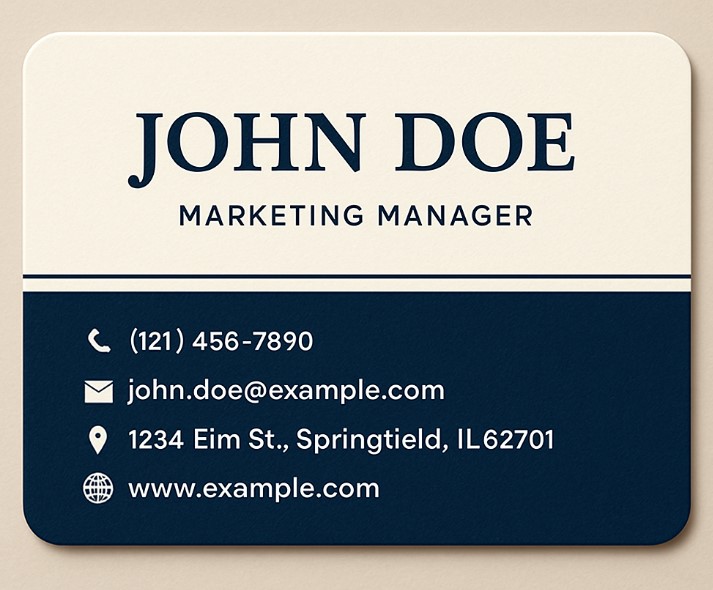
Business cards have been a staple in professional networking for decades. They serve as a tangible reminder of a meeting or conversation and provide essential contact information in a compact format. Despite the rise of digital alternatives, traditional business cards hold a number of benefits.
Tangibility and Personal Touch
There’s something undeniably personal about handing over a physical card. It creates a moment of connection and can leave a lasting impression. The weight, texture, and design of a business card can speak volumes about your brand and professionalism.
Universally Accepted
Not everyone is tech-savvy, and in certain industries or cultures, the exchange of business cards is a deeply ingrained ritual. Traditional business cards are universally recognized and do not require any technology to exchange or view.
Branding Opportunities
The design of a business card is an opportunity to reinforce your brand. The choice of colors, fonts, and materials can convey your brand’s ethos and values. Companies like Moo offer premium business card printing that allows for custom designs and high-quality finishes that make your card stand out.
The Rise of Digital Business Cards

With smartphones becoming ubiquitous, digital business cards have gained popularity. They offer a modern solution to networking that aligns with the digital age.
Convenience and Accessibility
Digital business cards can be shared instantly via email, text, or QR code. This makes them incredibly convenient and accessible. You don’t need to carry a stack of cards around with you, and you can update your details without having to reprint.
Environmentally Friendly
For the environmentally conscious, digital business cards are a greener alternative. They reduce paper waste and are a sustainable choice for those looking to minimize their environmental footprint.
Advanced Features
Digital cards can include interactive elements like clickable links, videos, and social media profiles. This can provide a more comprehensive view of your professional persona and allow for more dynamic engagement.
Comparing Costs
Cost is a significant factor when deciding between printed and digital business cards. Traditional cards involve costs for design, printing, and reprinting as details change. However, they can be relatively inexpensive, with options ranging from budget to premium, like those offered by Moo business cards.
Digital business cards might have a higher initial setup cost if you’re using a specialized app, but they offer long-term savings since there are no reprinting costs. Plus, updates are free and instantaneous.
Situational Suitability

by Kin Li (https://unsplash.com/@kinli)
The choice between printed and digital business cards often depends on the context in which you’ll be using them.
Face-to-Face Meetings
In-person meetings and networking events are where traditional business cards shine. They facilitate a personal connection and are often expected in formal or traditional settings.
Virtual Networking
In virtual settings, digital business cards are more practical. They complement online interactions and can be shared effortlessly during video calls or through professional networking platforms like LinkedIn.
The Hybrid Approach
Many professionals are choosing a hybrid approach, using both printed and digital business cards depending on the situation. This flexibility ensures that you’re prepared for any networking scenario.
How to Implement a Hybrid Strategy
- Evaluate Your Audience: Consider the preferences of your typical contacts. Are they more traditional or tech-savvy?
- Invest in Quality: Whether printed or digital, ensure your business cards reflect your brand’s quality and professionalism.
- Keep Both Handy: Always have a few printed cards available for unexpected face-to-face meetings, and ensure your digital card is easily accessible on your phone.
Conclusion
Both printed and digital business cards have their place in today’s professional landscape. Traditional business cards offer a personal touch and are universally accepted, while digital cards provide convenience and advanced features. Your choice should be guided by your industry norms, personal preferences, and environmental considerations.
Ultimately, having both options at your disposal can enhance your networking efforts, ensuring you’re prepared to make a memorable impression in any setting. Whether you lean towards the classic elegance of a Moo business card or the modern versatility of a digital card, the key is to integrate them seamlessly into your professional toolkit.